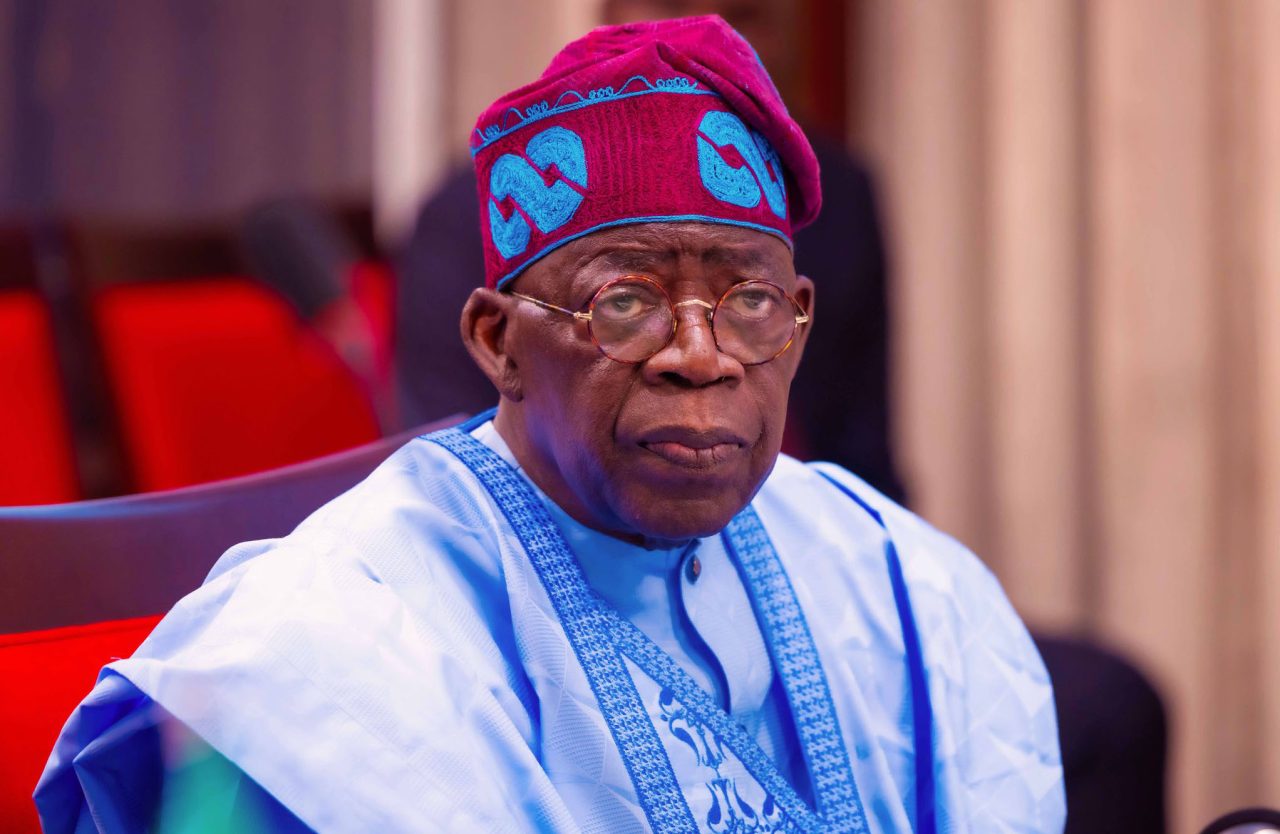
President Bola Ahmed Tinubu has issued a new order to the Nigeria Customs Service (NCS) to open a dedicated trade path for trucks carrying transit goods to the Niger Republic. Under this new arrangement, loaded trucks are now authorized to pass through the Benin Republic and Kebbi State to reach their final destinations. The Comptroller-General of Customs, Bashir Adewale Adeniyi, shared the update on Saturday, February 7, 2026, during a high-level visit to the Kebbi State Governor, Nasir Idris, in Birnin Kebbi.
The move is designed to clear the massive backlog of goods currently stuck at various border points and at the nation’s seaports. To make the process as fast as possible, the Customs Service has set an ambitious goal of a 48-hour clearance window for all eligible transit cargo.
Adeniyi explained that while the government wants to speed up business, there will be no compromise on security. He noted that the agency is deploying advanced tracking technology and scanners to ensure that goods meant for Niger are not illegally diverted into the Nigerian local market.
This policy marks a major turning point in the diplomatic and economic relationship between the two neighbors. Following the 2023 coup in Niger, Nigeria had initially taken a very hard line, shutting down borders and stopping the movement of transit goods in line with ECOWAS sanctions.
Even after borders technically reopened in 2024, many businesses still faced frustrating delays and complex red tape. Adeniyi emphasized that despite any political disagreements, Nigeria remains committed to its international obligations to help landlocked neighbors like Niger access the sea through Nigerian ports.
The situation remains sensitive, especially following recent diplomatic friction where a Nigerian military plane was briefly detained in Burkina Faso. However, the Federal Government is hoping that this new “safe corridor” will help lower tensions and breathe life back into the economies of border communities in Kebbi and other northern states. Adeniyi warned that any business operators caught violating the new transit rules will face “stiff sanctions,” as the government works to balance regional cooperation with national safety.