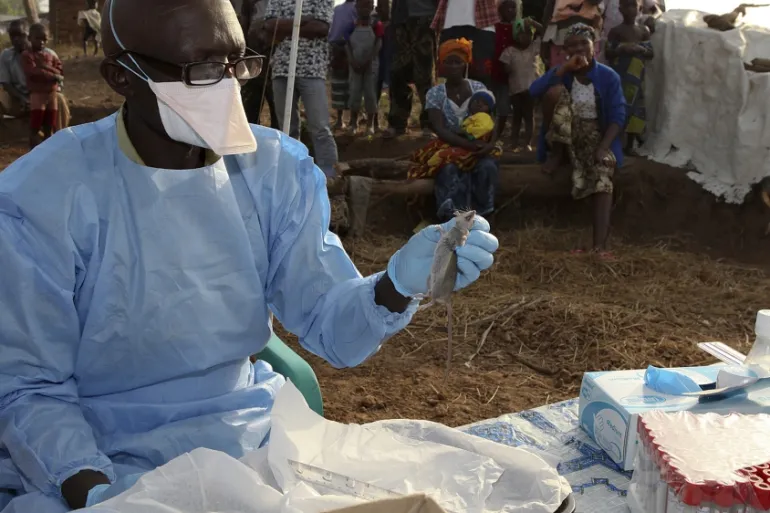
Nigeria is currently experiencing a significant public health challenge as the Nigeria Centre for Disease Control and Prevention (NCDC) reports a sharp rise in Lassa fever cases and fatalities. In its latest epidemiological report for Week 7 (February 9–15, 2026), released on Tuesday, March 3, the agency confirmed that 82 new infections and 20 deaths were recorded in just seven days.
This spike represents a notable increase from the 74 cases reported in the preceding week, pushing the cumulative death toll for 2026 to 75. The NCDC has expressed deep concern over the escalating Case Fatality Rate (CFR), which currently stands at 23%, significantly higher than the 19.7% recorded during the same period in 2025.
“Nigeria has recorded 82 confirmed cases and 75 deaths so far in 2026, with a Case Fatality Rate (CFR) of 23 percent,” the report noted, highlighting the increased severity of the current outbreak despite a lower overall volume of suspected cases compared to last year.
The geographical spread of the virus remains a major concern, with new infections reported across 14 states, including Ondo, Bauchi, Taraba, Edo, Plateau, Gombe, Nasarawa, Kano, Ebonyi, Kogi, Kebbi, Kaduna, Benue, and the Federal Capital Territory (FCT).
Data shows that the outbreak is heavily concentrated in four primary hotspots—Bauchi, Ondo, Taraba, and Edo—which collectively account for 84% of all confirmed cases this year. “About 84 percent of all confirmed infections were reported from Bauchi, Taraba, Ondo and Edo States, making them the current hotspots of the outbreak,” the NCDC confirmed.
Young adults aged 21 to 30 remain the most vulnerable demographic, while the infection of five additional healthcare workers during the reporting week has underscored the ongoing risks to frontline personnel and the urgent need for stricter infection prevention protocols in clinical settings.
The NCDC, led by Director-General Dr. Jide Idris, has attributed the high mortality rate to several operational gaps, including late presentation of cases by patients and inconsistent adherence to safety guidelines in some hospitals.
To combat the spread, the National Lassa Fever multi-partner incident management system remains activated, with response teams deployed to high-burden states to provide essential supplies like personal protective equipment (PPE) and antiviral medications.
“The predominant age group affected is 21-30 years… Five healthcare workers were newly infected within the reporting week, underscoring ongoing risks faced by frontline health personnel,” the agency stated.
As the peak transmission season continues through April, Nigerians are urged to maintain high standards of environmental hygiene, secure food sources from rodents, and report any symptoms such as persistent fever and headache to the NCDC’s toll-free line at 6232.