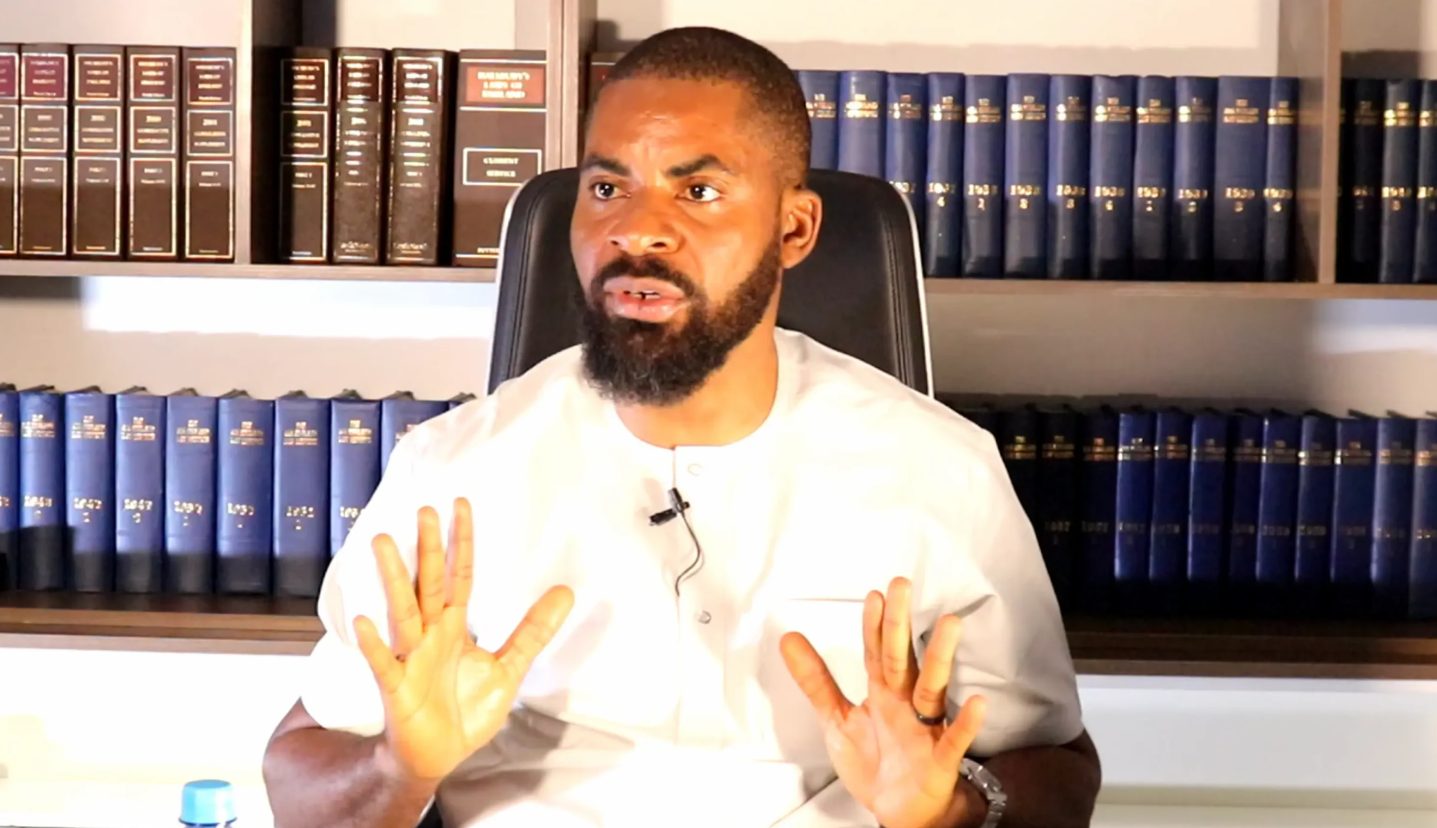
Human rights attorney Deji Adeyanju has criticized the “silent” backers of the Dangote Refinery in a harsh critique of the state of the economy in the wake of a sudden increase in gas prices.
His response coincides with reports that fuel stations in Abuja raised pump prices to ₦1,440, ₦1,430, and ₦1,370 per liter. This comes after the Dangote Petroleum Refinery’s fourth price adjustment in March 2026, when its gantry price increased from ₦1,175 to ₦1,245 per liter on Saturday, March 21. Adeyanju made fun of the influencers who had earlier supported the refinery as a way to cut costs by asking on his Facebook page, “Fuel is 1,450.” Where are the Dangote influencers who insulted me repeatedly?
The refinery has blamed these repeated increases on “global market realities,” pointing to the intensifying Iran-Israel conflict and the rising cost of crude oil, which has risen past $100 per barrel. Adeyanju, on the other hand, has continuously contested this story, claiming that the refinery sources a sizable amount of its crude oil domestically in Naira.
He asked why Nigerians should shoulder the weight of global geopolitical tensions for goods that, according to him, were developed long before the most recent hostilities started, in what he posted online. He called the pricing policy “monopolistic” and “unprecedented wickedness,” cautioning that citizens are at risk of arbitrary price increases due to the lack of competition in the downstream sector.
The Nigerian economy has already started to feel the effects of these increases, with transporters in Abuja and other big cities rapidly hiking fares. Although the Dangote Refinery claims that its prices are still among the lowest in the world when compared to markets like the UK (₦2,537) or France (₦2,913), local customers actually see a 35–40% price increase in a matter of weeks. Adeyanju’s criticism reveals a rising sense of annoyance at the refinery’s failure to deliver the domestic pricing stability many had hoped for as fuel lines reappear in some regions of the nation and commodity prices rise. As the Middle East situation continues to determine Nigeria’s cost of living, the “direct speech” from the streets currently represents a country preparing for even more difficult times.